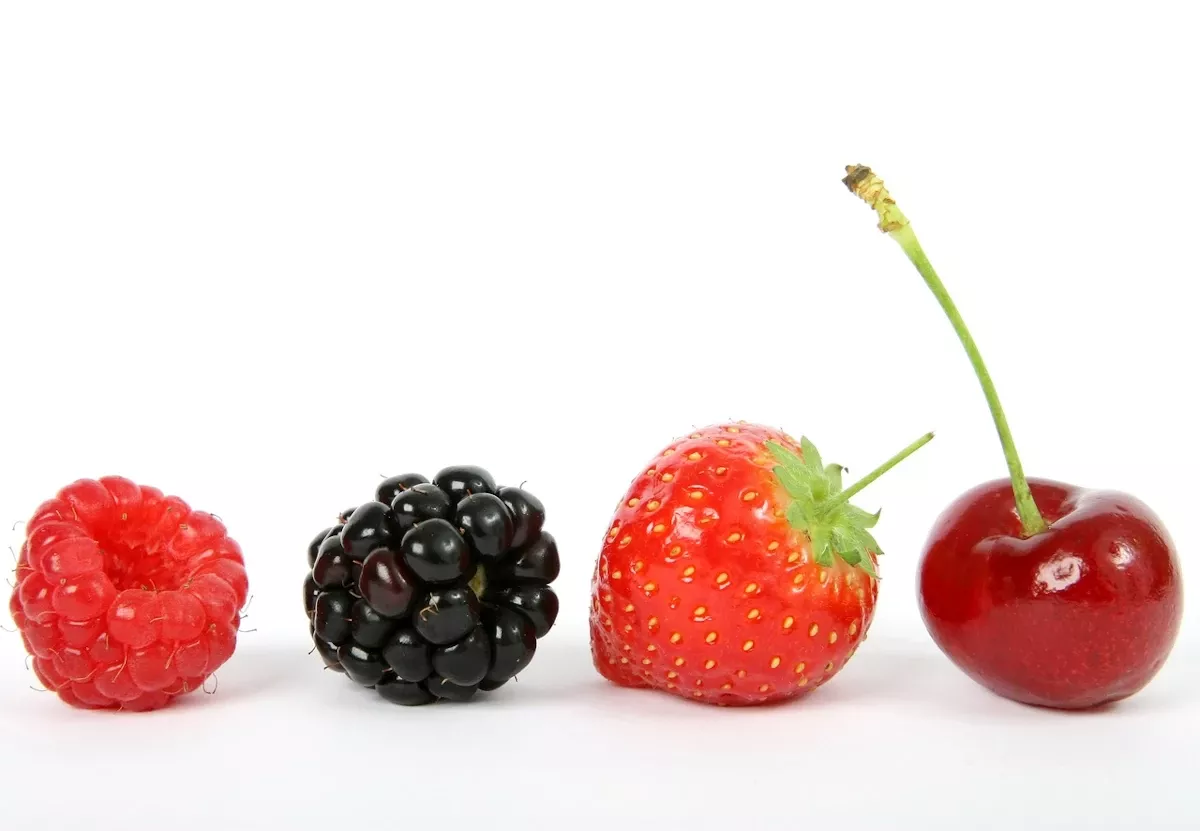
Anti-Inflammatory Diet
Anti-Inflammatory Diet. Have you heard of the anti-inflammatory diet? Do you know what its purpose is?
Chronic low-grade inflammation is responsible for triggering processes that can lead to chronic diseases. Planning an anti-inflammatory diet and applying it in your daily life can help prevent the onset of metabolic conditions.
The first step is understanding the difference between acute inflammation, which we feel at specific moments due to a clear cause, and chronic low-grade inflammation, which we are not aware of but is still present.
There are two types of inflammation:
- Acute inflammation
- Chronic inflammation
You can probably already guess what each one involves.
Acute inflammation appears after an injury or trauma. It causes pain and discomfort, and it has a defined duration.
Chronic inflammation, on the other hand, persists over time, and most of the time it is low-grade, meaning it does not produce pain or noticeable symptoms.
This is the truly dangerous type of inflammation. Because it does not cause obvious signs, we believe everything is fine and continue with our habits as usual.
People often think they follow a healthy lifestyle and eat correctly. We also tend to believe that occasional excesses have no consequences and that nothing is that important.
How many times have you heard someone say “you should eat a bit of everything” or “one day won’t make a difference”?
These are harmful statements we use to justify certain behaviors.
Obviously, we should not eat a bit of everything. There are foods we must remove from our regular diet.
We cannot expect to follow a perfect diet. The goal is to make healthy choices most of the time.
While it is true that we shouldn’t live obsessed with perfection, we are human. The goal is not a flawless diet but making good (healthy) decisions regularly.
To give you a reference point, here is a list of anti-inflammatory foods that are very convenient to add to your diet.
Foods you should add to your diet:
- Fruits and vegetables: especially red fruits such as strawberries, raspberries, blueberries, cherries, and pomegranate. Also leafy greens like spinach and kale. Garlic, zucchini, onion, and mushrooms contribute prebiotic fibers.
- Fatty fish: such as salmon, sardines, anchovies, mackerel, and tuna, all rich in omega-3 fatty acids.
- Nuts and seeds: such as almonds, walnuts, chia seeds, and flaxseeds, rich in healthy fats and antioxidants.
- Spices: such as turmeric, pepper, ginger, garlic, and cinnamon, which contain natural anti-inflammatory compounds.
- Olive oil: high in oleic acid, a monounsaturated fatty acid with anti-inflammatory properties.
- Legumes: such as beans, lentils, and chickpeas, rich in protein and fiber, and containing natural anti-inflammatory compounds.
- Green tea: rich in catechins, antioxidants with anti-inflammatory properties.
- Dark chocolate: contains flavonoids, antioxidants with anti-inflammatory effects.
It is important to remember that an anti-inflammatory diet is not only about adding specific foods but also avoiding processed and ultra-processed foods, as well as reducing refined carbohydrates and added sugars.
It is also essential to maintain adequate intake of key nutrients such as protein, healthy fats, and complex carbohydrates to ensure sufficient fiber intake.
Foods you should avoid if you want to follow an anti-inflammatory diet:
- Sugar in all its forms
- Refined grains and flours, especially wheat
- Saturated fats from processed meats and industrial baked goods
- Trans fats
- All ultra-processed products
- Vegetable oils
Think about the types of foods that contain these ingredients. You can probably already list many: industrial pastries, breakfast cereals, ready-made meals, deli meats, packaged sauces, hyperpalatable snacks, and many more.
Fiber has anti-inflammatory effects and promotes the production of SCFAs (short-chain fatty acids), which play a key role in reducing inflammation in the body.
Instead of consuming those foods, choose fresh options. The less processed, the better. Fresh fruit, unsweetened whole grains, natural dairy without added sugars.
High-fiber foods are especially valuable. There are different types of fiber, and it is important to understand them. Fiber has anti-inflammatory effects and promotes the synthesis of SCFAs, which help reduce systemic inflammation.
Below, you will find two sample diets. They are generic, but they can help you understand how to put an anti-inflammatory eating pattern into practice.
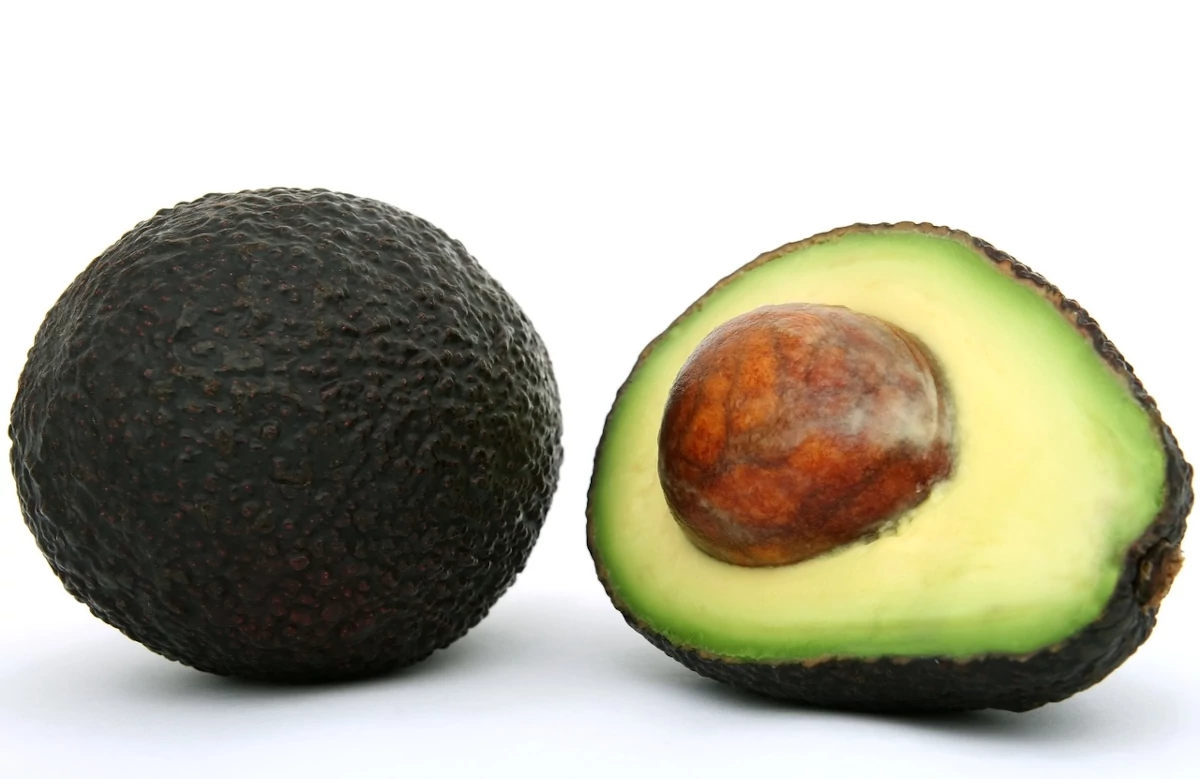
ANTI-INFLAMMATORY DIET
Monday:
Breakfast: Red berry smoothie with chia seeds, ground flaxseed, and one square of 85% (or higher) dark chocolate.
Lunch: Spinach salad with grilled chicken, avocado, and sunflower seeds, dressed with apple cider vinegar and EVOO.
Dinner: Baked salmon with broccoli and quinoa.
Tuesday:
Breakfast: Flaxseed bread toast and homemade yogurt topped with avocado and a poached egg.
Lunch: Vegetable soup with lentils and brown rice. Add your preferred protein.
Dinner: Stuffed eggplants with minced meat and vegetables.
Wednesday:
Breakfast: Green smoothie with spinach, pineapple, and ginger.
Lunch: Quinoa salad with tuna, tomato, onion, and olives.
Dinner: Roast chicken with potatoes (or sweet potato), onion, and other roasted vegetables.
Thursday:
Breakfast: Egg white omelette with spinach and tomato.
Lunch: Grilled tuna with spinach, beetroot, and walnut salad.
Dinner: Turkey salad with avocado, tomato, onion, and flaxseeds.
Friday:
Breakfast: Quick microwave bread topped with homemade sugar-free apple compote.
Lunch: Turkey burger with carrot and apple salad.
Dinner: Baked hake fillets with roasted vegetables.
Saturday:
Breakfast: Homemade flaxseed bread toast with fresh cheese and tomato.
Lunch: Lentil salad with vegetables and avocado, or lentil stew with vegetables.
Dinner: Chicken curry with quinoa and steamed vegetables.
Sunday:
Breakfast: Chia and flax pudding with plant-based milk, walnuts, and dark chocolate.
Lunch: Chickpea salad with chicken, tomato, and onion.
Dinner: Baked salmon with roasted cauliflower.
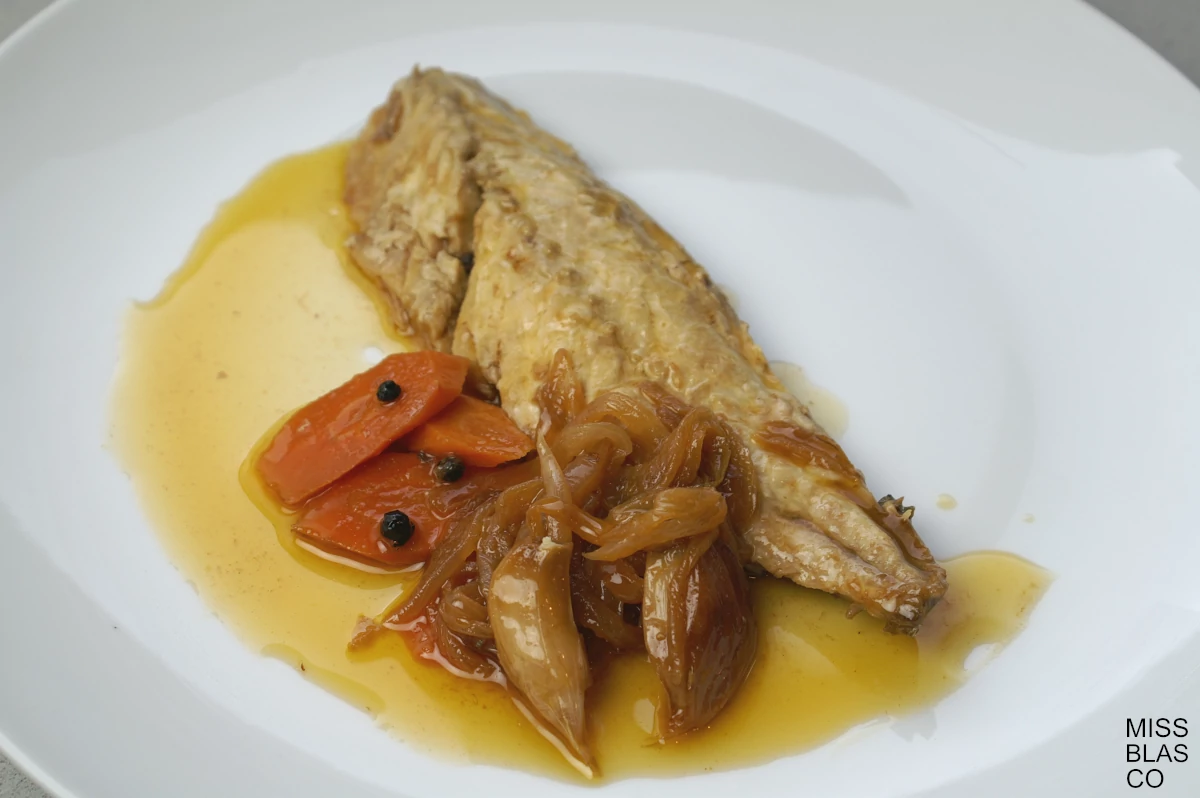
LOW-CARB DIET
Monday:
Breakfast: Spinach and feta omelette.
Lunch: Chicken salad with lettuce, tomatoes, avocado, and cottage cheese.
Dinner: Sautéed shrimp with asparagus.
Tuesday:
Breakfast: Toast (rye, spelt, or flax bread) with avocado and poached egg.
Lunch: Tuna salad with lettuce, tomatoes, onion, and olives.
Dinner: Grilled salmon with roasted cauliflower.
Wednesday:
Breakfast: Scrambled eggs with spinach and cherry tomatoes.
Lunch: Smoked salmon salad with avocado, cucumber, and fresh cheese.
Dinner: Meat skewers (chicken, turkey, beef) with peppers and onion.
Thursday:
Breakfast: Quick microwave bread with butter and homemade pumpkin compote.
Lunch: Chicken salad with lettuce, tomatoes, and avocado.
Dinner: Baked white fish with asparagus and carrots.
Friday:
Breakfast: Spinach omelette with cheddar cheese.
Lunch: Shrimp salad with lettuce, tomatoes, and avocado.
Dinner: Baked mahi-mahi with steamed broccoli.
Saturday:
Breakfast: Whole-grain toast (rye, spelt, flax) with avocado and poached egg.
Lunch: Tuna salad with egg, lettuce, tomatoes, onion, and olives.
Dinner: Grilled beef or pork steak with asparagus and mushrooms.
Sunday:
Breakfast: Scrambled eggs with spinach and cherry tomatoes.
Lunch: Smoked salmon salad with avocado, cucumber, and cottage cheese.
Dinner: Meat skewers with peppers and onion.
As you can see, following an anti-inflammatory diet is not complicated once you know what to choose and what to avoid. It is not about being perfect but about making conscious decisions most of the time. Remember: small, consistent changes can make a big difference in your health.
Do you already follow any of these guidelines in your daily life? I’d love to hear from you in the comments.
Discover anti-inflammatory recipes: