Best Foods Over 40
Best Foods Over 40: How to Balance Hormones and Boost Energy
Menopause and perimenopause are natural biological stages, yet they often come with profound changes. Many women notice sudden weight gain without changing their diet, increased fluid retention, sleep difficulties, mood swings, and a general feeling of a “slower” metabolism.
In reality, these symptoms are physiological consequences of hormonal imbalances, a progressive increase in insulin resistance, and a state of low-grade inflammation.
However, there is good news: nutrition can be a powerful tool to alleviate these symptoms, boost your energy, and protect your metabolic health.
In this post, I will reveal the best foods for women over 40. We will follow the philosophy I have always advocated: real food, simple recipes, zero sugar, and zero ultra-processed products.
Why Nutrition Matters So Much During Menopause
Estrogens have profound metabolic effects. Specifically, they support insulin sensitivity, protect muscle mass, modulate appetite, regulate body temperature, and support cognitive function.
Consequently, when estrogen production declines, the body compensates as best it can. Unfortunately, this process often generates:
- Higher insulin resistance.
- A greater tendency to accumulate abdominal fat.
- Loss of muscle mass (sarcopenia).
- Changes in the gut microbiota.
- Increased systemic inflammation.
- Issues with appetite regulation and stronger cravings.
Therefore, an appropriate diet is essential because it targets these specific issues directly.
What to Eliminate (And Why)
To reset your metabolism, we must first remove the disruptors.
- Sugar: It spikes glucose rapidly, triggers insulin, and promotes fat storage. During menopause, when insulin sensitivity is already compromised, the impact of sugar is significantly more damaging.
- Refined Flours and Cereals: These act similarly to sugar: rapid absorption, glucose spikes, and increased hunger two hours later. For many women, replacing them is a major turning point.
- Trans Fats and Vegetable Seed Oils: These promote inflammation, lipid oxidation, and hormonal imbalances. By reducing them, you will notice improvements in your energy, skin, and body composition.
Less sugar, fewer symptoms: stabilizing your blood sugar is the first step to reclaiming your hormonal balance
The Best Foods for Women Over 40
High-Quality Proteins
Muscle loss accelerates after 40. Without muscle, your metabolism slows down, and glucose regulation deteriorates. Thus, prioritizing protein is non-negotiable.
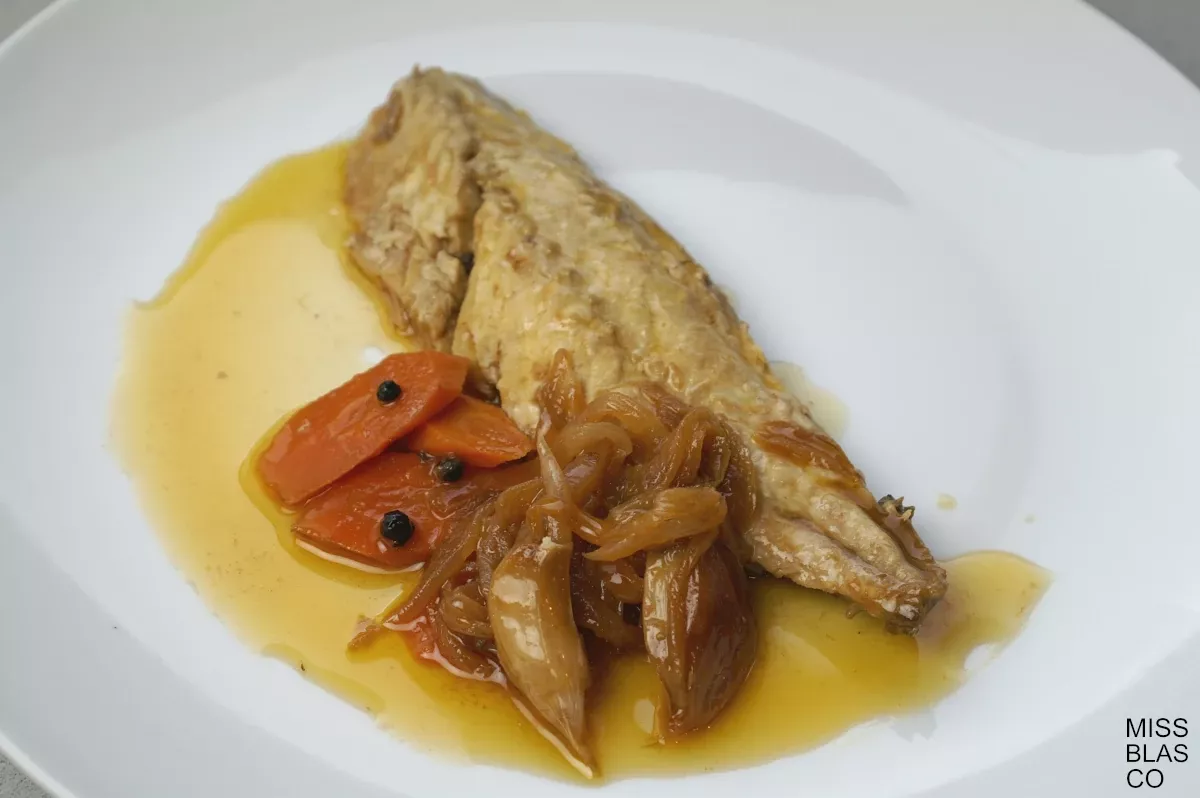
- Top Foods: Eggs, lean meats (chicken, beef, pork), fatty fish (salmon, sardines, mackerel), firm tofu, and plain Greek yogurt (if tolerated).
- Key Benefits: They improve satiety, reduce cravings, support thyroid function, and are crucial for maintaining lean muscle mass.
Anti-Inflammatory Healthy Fats
There is ample scientific evidence showing that healthy fats are key to hormonal balance.
- Top Foods: Avocado, Extra Virgin Olive Oil (EVOO), walnuts, pecans, almonds, and seeds (sesame, pumpkin, sunflower, chia).
- Key Benefits: They regulate inflammation, improve the absorption of fat-soluble vitamins, and support hormone production. Furthermore, they keep you full longer, reducing the urge to snack.
Soluble and Insoluble Fiber
Fiber is fundamental at this stage for two reasons: it regulates glucose and feeds your gut microbiota.
- Top Foods: Chia seeds, ground flaxseed, legumes (lentils, chickpeas, beans), leafy greens, and cruciferous vegetables.
- Key Benefits: Besides improving digestion, fiber creates a more diverse microbiome. Moreover, it reduces systemic inflammation and lowers LDL cholesterol.
Your gut bacteria are your allies: feeding them fiber helps reduce systemic inflammation and control cholesterol.
Complex Carbohydrates
Not all carbs are created equal. In menopause, those rich in fiber and resistant starch work best.
- Top Foods: Legumes, starchy vegetables (squash/pumpkin), tubers cooked and cooled to create resistant starch (potatoes, sweet potatoes), and low-glycemic fruits.
The Power of Cruciferous Vegetables
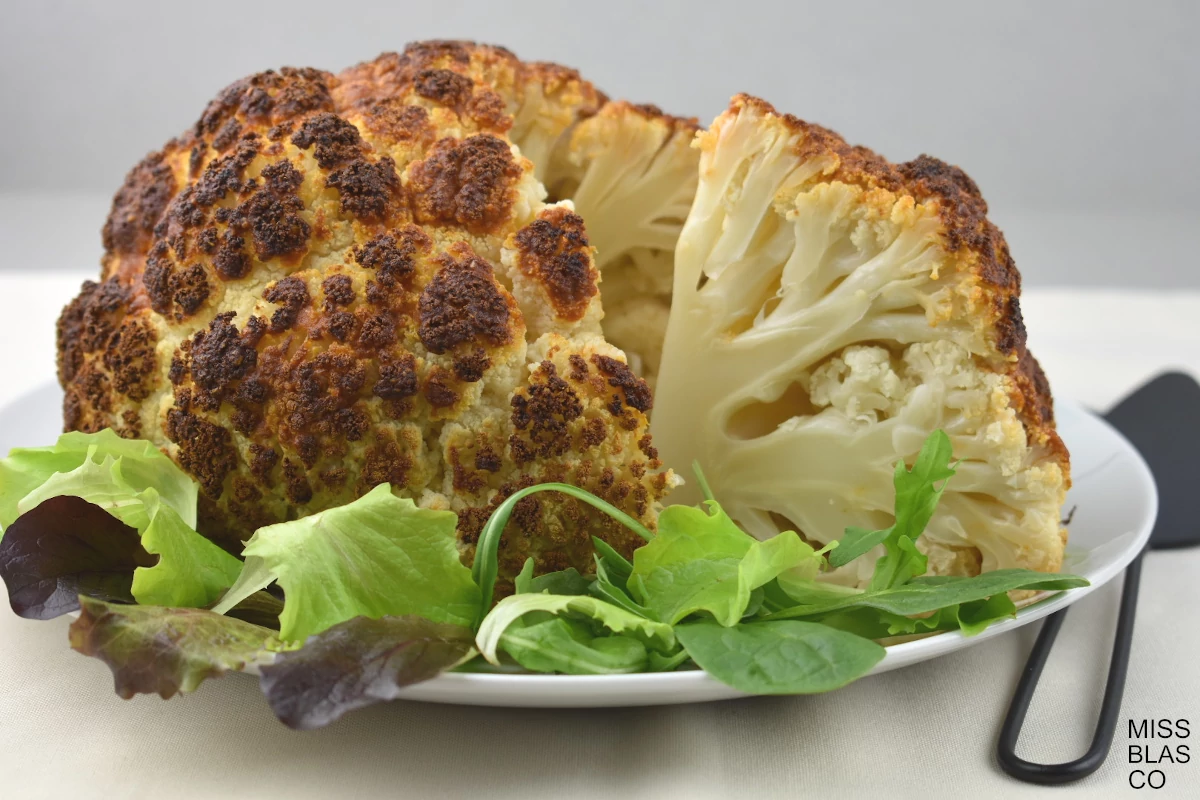
Crucifers deserve a special mention. Foods like broccoli, kale, cauliflower, Brussels sprouts, and cabbage should be on your weekly menu.
Why? Because they improve liver detoxification of estrogens, reduce inflammation, and are rich in Vitamin C and folate.
What About Soy?
According to recent studies, soy, especially in the form of firm tofu or unsweetened soy milk, is an excellent option. Its isoflavones can help modulate vasomotor symptoms (like hot flashes) and support bone health.
How to Structure Your Meals to Feel Better
A balanced meal at this stage should not be complicated. Ideally, it should include:
- A source of quality protein.
- Abundant vegetables (crucifers or leafy greens).
- Healthy fats (EVOO, avocado, nuts).
- Sources of fiber (seeds, legumes).
- A portion of complex carbs, if tolerated.
Delicious Examples:
Broccoli stir-fry + firm tofu + olive oil + sesame seeds + walnuts.
Green salad + boiled egg + chicken + avocado + pecans + vinaigrette.
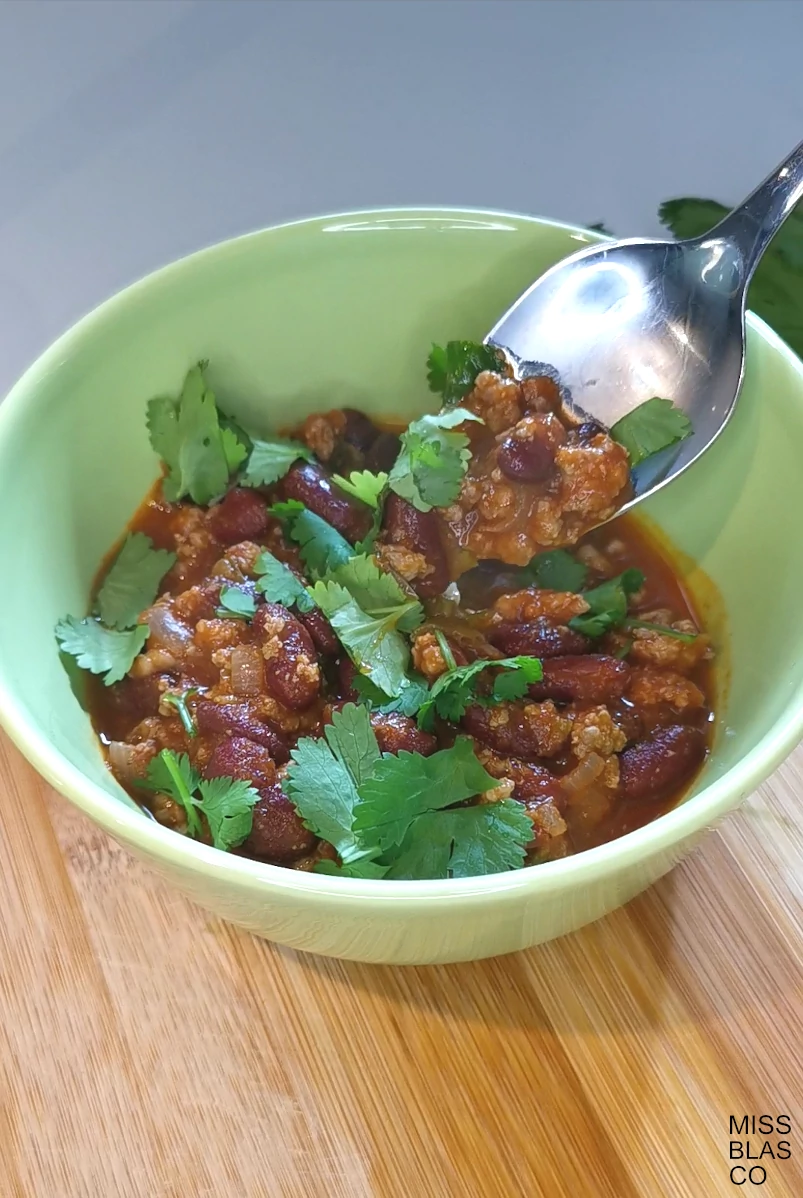
Lentil soup + vegetables + egg + EVOO.
Baked salmon + Brussels sprouts + toasted almonds + sesame seeds.
This is not a restrictive diet; it is a lifestyle that supports your hormones, your microbiota, and your metabolic health.
Menopause and perimenopause do not have to be lived with frustration. Focusing on real food, reducing sugar, and prioritizing protein and fiber can transform your well-being.
If you apply these tips consistently, you will notice more energy, better digestion, fewer cravings, and a more stable relationship with your body.
How are you approaching this stage? Are you already applying these tips? Let me know in the comments!
ANTIINFLAMMATORY DIET, BLOG, GUT HEALTH, HEALTH, INFLAMMATION